
Architectural landscape balance
Principles of structural harmony in green spaces
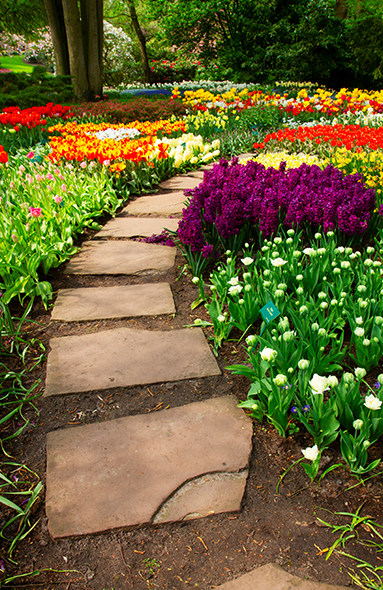
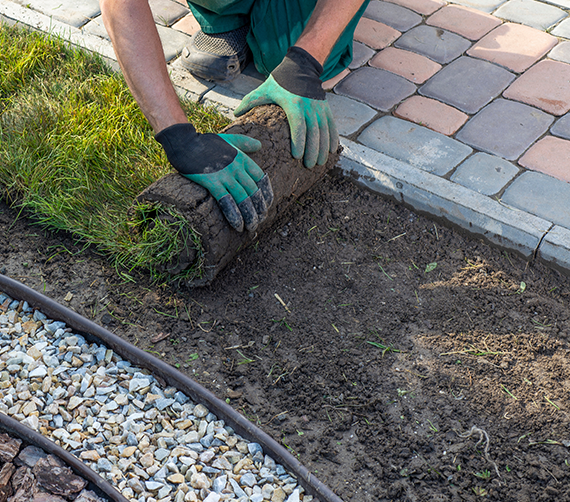
Designing a functional garden layout involves more than just selecting colorful blooms. Professional landscapers analyze topography, drainage, and circulation to establish seamless transitions between hardscapes and planted areas. Garden paths guide the eye toward focal points, while vertical planting elements add depth to flat terrains. Considering the mature size of trees and shrubs prevents future overcrowding issues. Balancing foliage texture, flower color, and plant form creates visual interest throughout the changing seasons. Integrating stone or wood garden features establishes a permanent framework that supports the living elements of the garden year-round.
Seasonal blooming cycles
Selecting varieties for resilience and beauty
A diverse planting palette ensures continuous flowering and supports local biodiversity within the garden. Native plant species often require less water and resist regional pests more effectively than exotic counterparts. Grouping plants with similar watering needs reduces maintenance while supporting consistent plant health. Perennial plants provide a reliable foundation that returns annually, whereas annual flowers provide bursts of intense color for specific durations. Understanding the local hardiness zone helps identify which plants can thrive, reducing losses during winter frosts or summer heatwaves.



Perennial border planning

Shade-tolerant foliage

Drought-resistant succulents

Ornamental grass textures
Environmental stewardship methods
Sustainable practices for ecological balance
Modern horticulture emphasizes regenerative gardening methods that enrich garden soil rather than depleting it. Adopting organic gardening techniques helps preserve groundwater quality and supports beneficial wildlife populations. Minimizing chemical treatments protects local ecosystem balance while maintaining safer growing conditions. Implementing these strategies creates a self-sustaining cycle of growth and renewal.
Fostering biodiversity with native flora
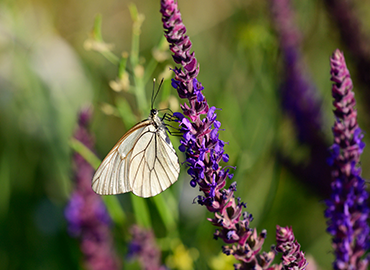
Integrating native plants creates valuable pollinator corridors for bees and butterflies. These species adapt naturally to local climate conditions and fit well within low-chemical gardening practices.
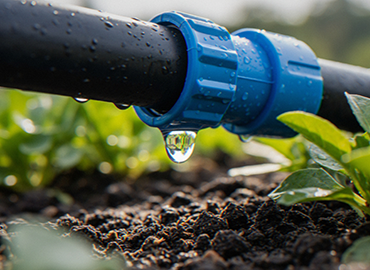
Water conservation and management
Installing drip irrigation systems reduces evaporation losses by delivering water directly to plant root zones. Mulching garden beds helps retain soil moisture and limits rapid surface drying.
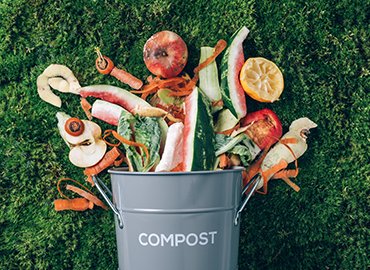
Organic soil enrichment strategies
Composting kitchen scraps and yard waste transforms organic material into nutrient-rich compost. This organic soil amendment improves soil structure and supports long-term garden fertility.

Productive edible gardening
Optimizing yields in edible gardens
Cultivating fruits and vegetables requires precise planting schedules and nutrient management to support abundant harvests. Raised garden beds improve drainage and warm up faster in spring, helping extend the growing season. Crop rotation limits repeated nutrient depletion and disrupts the lifecycles of soil-borne pathogens. Companion planting uses plant associations to help deter pests, such as placing marigolds near tomatoes. Regular crop monitoring enables early disease intervention and helps protect fresh produce from seed to harvest.
Garden vitality care
Essential maintenance for long-term vitality
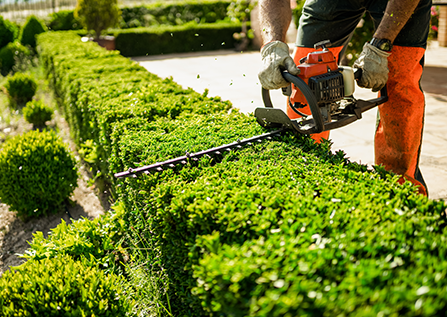
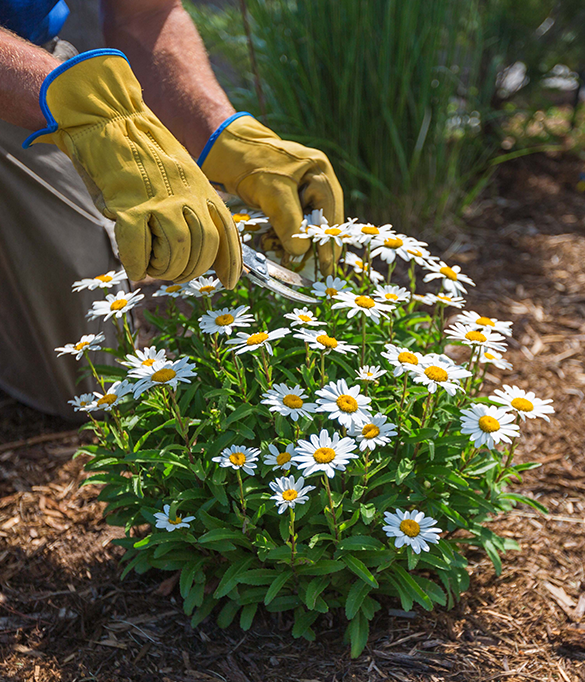
Consistent garden maintenance transforms wild overgrowth into a managed outdoor space. Pruning, soil aeration, and routine plant care remain critical for healthy growth, helping plants direct energy toward strong structural development.
Seasonal garden planning
Adapting operations to the seasonal calendar
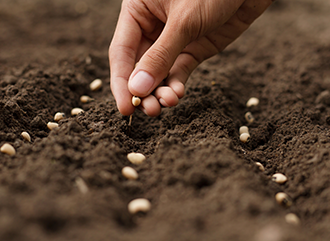
Spring preparation and sowing
Early spring garden preparation focuses on clearing debris and preparing seedbeds. Rising soil temperatures signal the time to sow hardy cool-weather vegetables.
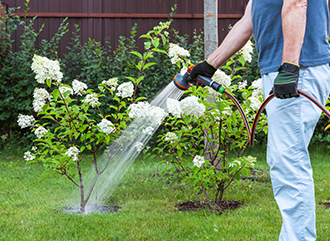
Summer care and irrigation
Peak summer temperatures require careful morning watering to reduce plant stress. Deadheading spent blooms encourages prolonged flowering through the hottest months.
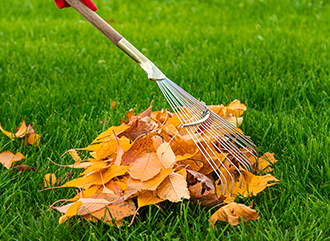
Autumn cleanup and protection
Autumn garden cleanup combines harvesting late crops with planting spring bulbs before the ground freezes. Applying protective mulch layers helps insulate plant roots against winter cold.
Gardening tools selection guide